Blog
Weight Loss Injectable Pens & Weight Management Research: GLP-1, GIP and Emerging Obesity Therapies

Sep
Posted on September 8, 2026 by Remedium Research Labs
The science of weight loss, obesity treatment, metabolic health, and long-term weight management is evolving rapidly. One of the most closely researched areas is injectable therapy, particularly GLP-1 receptor agonists, GIP/GLP-1 therapies, emerging multi-receptor agonists, and advanced prefilled injection pens.
As interest in prescription weight-loss injections continues to grow, researchers are investigating how metabolic hormones influence appetite, food intake, glucose regulation, energy balance, and body weight.
At Remedium Research Labs, our goal is to provide research-focused information about emerging compounds, pharmaceutical technologies, peptide research, metabolic pathways, and developments in modern weight-management science.
This guide examines weight loss injectable pens, GLP-1 weight loss research, GIP/GLP-1 therapies, obesity research, prefilled injection technology, and the future of injectable weight management.
Research and medical-use notice: This article is provided for educational and research-information purposes. Investigational compounds should not be represented as approved treatments, and research products should not be used for self-treatment. Prescription weight-management medicines should be discussed with a qualified healthcare professional.
What Are Weight Loss Injectable Pens?
Weight loss injectable pens are pen-style drug-delivery devices designed to administer medication through subcutaneous injection.
Depending on the specific medicine and delivery system, an injectable pen may be:
- Prefilled
- Single-dose
- Multi-dose
- Disposable
- Reusable
- Designed for scheduled administration
- Designed around dose escalation
- Engineered to simplify administration
The development of prefilled injection pens represents an important advancement in pharmaceutical drug delivery. Instead of manually measuring a medication from a vial, some pen systems are engineered to provide a predetermined amount through an integrated delivery mechanism.
This technology has become particularly relevant to obesity medicine and weight management research, where some prescription therapies are administered by injection.
The delivery device is therefore an important part of modern pharmaceutical development—not simply a container for the active ingredient.
Weight Loss Injections and Modern Obesity Treatment
Obesity is a complex chronic disease involving biological, environmental, behavioral, metabolic, and genetic factors.
Modern weight management treatment can involve several approaches, including:
- Nutrition and dietary intervention
- Increased physical activity
- Behavioral support
- Prescription weight-management medication
- Medical monitoring
- Metabolic and bariatric surgery for selected patients
- Long-term weight-maintenance strategies
The National Institute of Diabetes and Digestive and Kidney Diseases explains that weight-management medications may be considered when lifestyle changes alone are not sufficient. These medicines are generally used as part of a broader weight-management program rather than as a replacement for healthy eating and physical activity.
This has made prescription weight loss injections one of the most researched areas of modern obesity pharmacotherapy.
GLP-1 Weight Loss Injections: Understanding the Science
One of the most established areas of modern weight loss injection research involves the glucagon-like peptide-1 pathway.
GLP-1, or glucagon-like peptide-1, is a naturally occurring hormone involved in metabolic regulation. GLP-1-based medicines can influence pathways associated with:
- Appetite
- Food intake
- Satiety
- Glucose regulation
- Gastric emptying
- Energy balance
- Body-weight regulation
Prescription medicines based on the GLP-1 pathway have become an important component of contemporary obesity treatment.
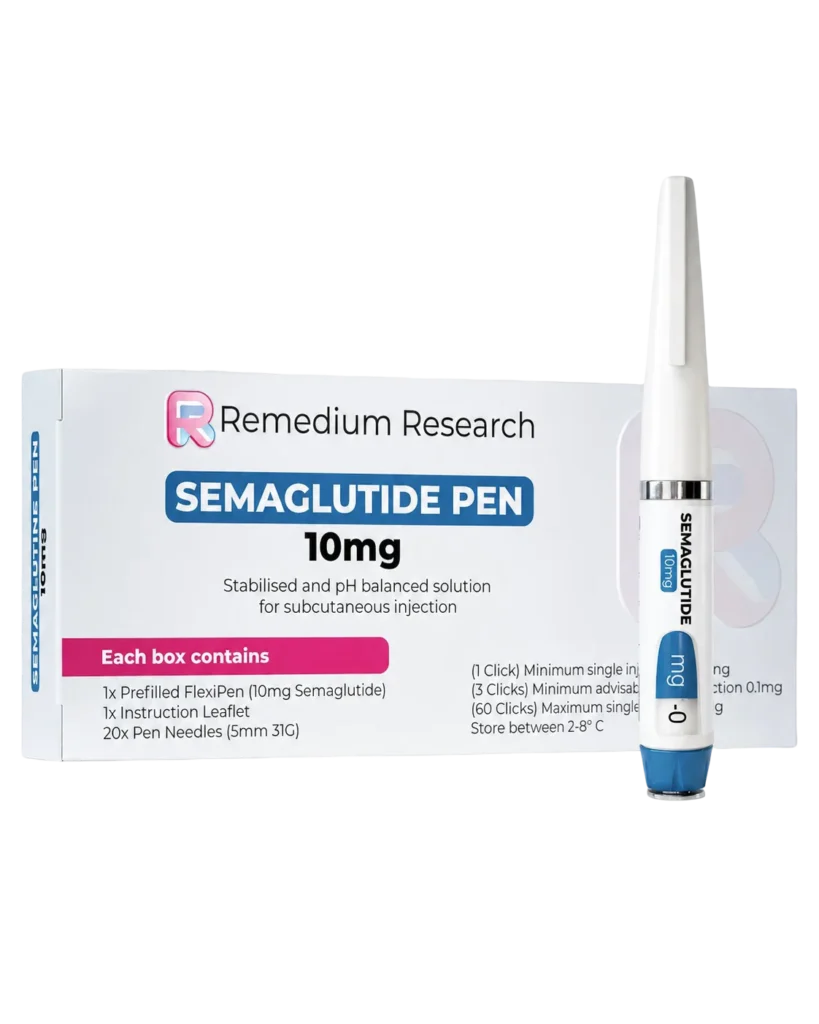
Semaglutide is one well-known example of a GLP-1-based medicine used in approved indications for weight management.
However, GLP-1 research extends beyond a single medication. Scientists continue investigating receptor biology, treatment duration, weight maintenance, combination therapies, tolerability, and next-generation metabolic approaches.
GIP and GLP-1 Weight Management Research
Another major development in metabolic medicine is the study of dual GIP/GLP-1 receptor agonists.
GIP stands for glucose-dependent insulinotropic polypeptide. Like GLP-1, it is an incretin hormone involved in metabolic signaling.
Rather than targeting a single receptor pathway, dual-agonist therapies investigate the potential effects of simultaneously activating:
GIP + GLP-1
Tirzepatide is an established example of a medicine acting on both GIP and GLP-1 pathways and has an FDA-approved indication for chronic weight management in appropriate adults.
This has expanded scientific interest in:
- Dual incretin therapies
- Appetite regulation
- Glucose metabolism
- Body-weight reduction
- Metabolic health
- Long-term weight maintenance
- Next-generation obesity medicines
The broader field is increasingly focused on how multiple hormonal pathways can interact to influence energy balance and body weight.
GLP-1, GIP and Triple-Agonist Research
The next stage of obesity drug research is investigating whether multiple metabolic pathways can be targeted simultaneously.
Researchers are studying approaches involving combinations such as:
GLP-1 + GIP
and emerging approaches involving:
GLP-1 + GIP + glucagon
These are sometimes described as triple agonists or multi-receptor metabolic therapies.
The scientific rationale is based on the fact that body-weight regulation involves multiple interconnected biological systems.
Researchers are investigating whether simultaneously influencing different metabolic pathways could affect:
- Appetite
- Satiety
- Glucose metabolism
- Energy expenditure
- Fat metabolism
- Body composition
- Long-term weight management
Importantly, an investigational compound should not be confused with an approved obesity medicine. Regulatory status varies by compound, indication, country, and date.
Why Prefilled Injection Pens Are Important
The active pharmaceutical ingredient is only one part of an injectable treatment.
The drug-delivery system can also influence usability, dosing consistency, storage requirements, administration procedures, and patient experience.
Modern prefilled pens may offer several design characteristics.
1. Convenience
Pen-style systems can simplify the administration process compared with traditional vial-and-syringe formats.
2. Dose Control
Certain pen systems are engineered around predetermined or selectable doses, helping standardize medication delivery.
3. Portability
Compact delivery devices can be designed for practical storage and transportation according to the manufacturer’s specifications.
4. Standardized Administration
An engineered delivery system can reduce some of the manual steps associated with withdrawing medication from a vial.
5. Pharmaceutical Innovation
The development of sophisticated injection devices demonstrates how drug formulation and drug-delivery technology increasingly intersect.
For these reasons, prefilled injectable pens have become an important subject in pharmaceutical research and development.
Weight Management Is More Than Losing Weight
A major concept in contemporary obesity research is the distinction between short-term weight loss and long-term weight management.
Weight loss describes a reduction in body weight.
Weight management is broader and includes the ability to achieve, maintain, and monitor changes in body weight and metabolic health over time.
A comprehensive approach can involve:
Nutrition + Physical Activity + Behavioral Support + Medical Treatment + Long-Term Monitoring
NIDDK emphasizes that weight-management medications do not replace healthy eating and physical activity
and generally work as part of a broader lifestyle program.
This is why modern obesity research increasingly focuses on both initial weight reduction and weight maintenance.
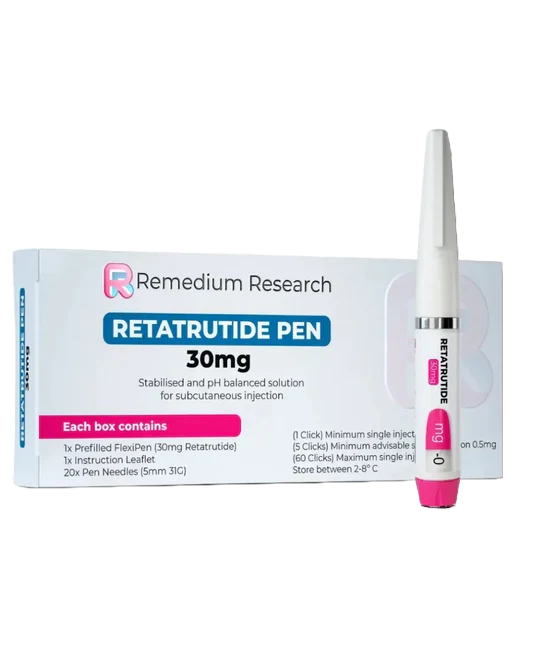
Weight Loss Injectable Pens: Major Research Areas
The rapidly developing field of injectable weight management can be divided into several important research categories.
1. GLP-1 Receptor Agonists
GLP-1 receptor agonists remain a major area of obesity and metabolic research.
Research continues to examine appetite regulation, food intake, glucose metabolism, body weight, treatment duration, tolerability, and long-term outcomes.
2. GIP/GLP-1 Dual Agonists
Dual incretin therapies target both GIP and GLP-1 pathways.
This represents an important development in next-generation weight management research.
3. Multi-Receptor Agonists
Researchers are investigating therapies that influence more than two metabolic pathways.
Triple-agonist approaches involving GLP-1, GIP, and glucagon are an important area of ongoing investigation.
4. Body Composition Research
Future obesity therapies may increasingly examine not only total weight reduction but also changes in:
- Fat mass
- Lean mass
- Muscle preservation
- Metabolic health
- Energy expenditure
5. Long-Term Weight Maintenance
Another important research question is what happens after initial weight reduction.
Researchers continue to investigate strategies for maintaining healthier body weight over longer periods.
6. Advanced Drug-Delivery Systems
The development of prefilled pens, injection devices, formulation technologies, and other delivery systems is progressing alongside pharmaceutical research.
Prescription Weight Loss Injections vs Research Compounds
One of the most important distinctions when researching injectable weight-management products is the difference between an approved prescription medicine and an investigational research compound.
An approved medicine has undergone the regulatory review required for its authorized indication.
An investigational compound is still being evaluated through laboratory studies, preclinical research, clinical trials, or other scientific processes.
Therefore, an investigational compound should not automatically be described as:
- FDA-approved
- Clinically established
- Proven for weight loss
- Approved for obesity treatment
- Suitable for self-administration
Regulatory status can change as research progresses, so claims about approval should always be checked against current information from the relevant regulatory authority.
Weight Loss Injectable Pens and Clinical Research
Clinical research is essential for determining whether an investigational therapy is safe and effective for a particular medical indication.
Research programs may examine:
- Pharmacokinetics
- Pharmacodynamics
- Dose-response relationships
- Safety
- Tolerability
- Appetite changes
- Body-weight changes
- Metabolic biomarkers
- Body composition
- Long-term outcomes
- Adverse events
Clinical trials are particularly important because promising laboratory findings do not automatically establish clinical effectiveness or safety.
For readers interested in weight loss clinical trials, it is important to distinguish scientific investigation from commercial marketing claims.
What Makes Modern Weight Management Research Different?
Older approaches to weight loss often focused heavily on calorie restriction and physical activity.
Modern obesity science recognizes that body weight is influenced by a much broader network of biological and environmental factors.
These can include:
- Appetite regulation
- Hormonal signaling
- Genetics
- Sleep
- Physical activity
- Food environment
- Metabolic health
- Medication effects
- Behavioral factors
- Energy expenditure
NIDDK describes obesity treatment as a combination of approaches that can include lifestyle intervention, medication, and—in appropriate circumstances—metabolic or bariatric surgery.
This broader understanding has helped drive interest in incretin-based therapies and next-generation metabolic medicines.
Weight Loss Medication and Lifestyle Intervention
Injectable weight-management medicines should not be viewed as an alternative to healthy lifestyle practices.
According to NIDDK, weight-management medications generally work best when combined with lifestyle changes, including healthy eating and physical activity.
A structured weight-management strategy may therefore include:
Nutrition
A sustainable eating pattern appropriate to the individual’s nutritional and medical needs.
Physical Activity
Regular physical activity can contribute to energy expenditure and help support long-term weight management.
Behavioral Support
Behavioral strategies can help people establish sustainable eating, activity, and lifestyle habits.
Medical Monitoring
Prescription treatment may require professional assessment and monitoring.
Long-Term Planning
Maintaining weight loss can require continued lifestyle strategies and, for some people, ongoing medical treatment.
Who May Be Considered for Prescription Weight Management Medication?
Prescription weight-management medicines are not appropriate for everyone.
NIDDK states that healthcare professionals may consider medication for adults with a BMI of 30 or greater, or adults with a BMI of 27 or greater who also have weight-related health problems, although individual treatment decisions depend on clinical circumstances.
Healthcare professionals may consider factors such as:
- BMI
- Existing health conditions
- Current medications
- Potential drug interactions
- Family medical history
- Treatment goals
- Potential benefits
- Potential adverse effects
- Cost and access
A healthcare professional should determine whether a prescription weight-management medicine is appropriate.
Are Weight Loss Injectable Pens Safe for Everyone?
No.
Prescription injectable therapies have specific indications, contraindications, warnings, precautions, and potential adverse effects.
Safety depends on the individual medicine and the person receiving treatment.
People considering prescription weight-management medication should discuss:
- Existing medical conditions
- Current prescriptions
- Over-the-counter medicines
- Supplements
- Allergies
- Pregnancy or plans for pregnancy
- Previous medication reactions
- Treatment objectives
NIDDK specifically advises discussing risks, benefits, side effects, and other medications with a healthcare professional before using weight-management medication.
The Importance of Authentic Pharmaceutical Information
The rapid growth of interest in GLP-1 injections, weight loss pens, peptide research, and obesity treatments has also created a large amount of online misinformation.
Consumers and researchers should carefully distinguish between:
Approved prescription medicines
and
Investigational research compounds
and
Unverified products marketed online.
A product appearing on a website does not establish that it is approved, authentic, clinically validated, or appropriate for human use.
Reliable information should be checked against current regulatory documentation, scientific publications, clinical-trial records, and qualified healthcare professionals.
The Future of Weight Loss Injection Research
The future of weight management research is likely to involve increasingly sophisticated approaches to metabolic regulation.
Areas receiving scientific attention include:
- GLP-1 receptor biology
- GIP receptor biology
- Glucagon signaling
- Multi-receptor agonists
- Combination metabolic therapies
- Body-composition preservation
- Muscle preservation during weight loss
- Long-term weight maintenance
- Personalized obesity treatment
- Advanced injectable formulations
- Prefilled pen technology
- Novel drug-delivery systems
- Metabolic biomarkers
- Precision obesity medicine
The goal of this research is not simply to develop another weight-loss injection. Researchers are seeking a better understanding of the complex biology underlying obesity and how future therapies can potentially improve long-term outcomes.
Weight Loss Injectable Pens: What Researchers Should Watch
Several trends are particularly important for anyone following obesity and metabolic research.
Incretin-Based Medicine
GLP-1 and GIP pathways have transformed the scientific conversation surrounding obesity pharmacotherapy.
Multi-Pathway Therapies
Researchers are increasingly studying whether multiple hormonal pathways can be influenced simultaneously.
Drug-Delivery Innovation
Prefilled injection pens and other delivery systems are evolving alongside pharmaceutical formulations.
Long-Term Outcomes
Future research will continue examining sustained weight management rather than short-term weight reduction alone.
Body Composition
Preserving lean mass while reducing excess fat is an increasingly important research question.
Personalized Treatment
Different individuals may respond differently to the same treatment, increasing interest in more personalized approaches to obesity medicine.
Remedium Research Labs and Weight Management Research
Remedium Research Labs focuses on research-oriented information surrounding emerging pharmaceutical science, metabolic pathways, peptide research, and advanced drug-delivery technologies.
Our educational content covers topics including:
- Weight loss injectable pens
- Weight management research
- GLP-1 research
- GIP/GLP-1 research
- Obesity research
- Metabolic health
- Incretin biology
- Injectable drug delivery
- Prefilled injection pens
- Emerging obesity therapies
- Pharmaceutical research
- Clinical-trial developments
- Next-generation metabolic treatments
Our objective is to help readers understand the scientific concepts behind rapidly developing areas of metabolic research while maintaining a clear distinction between approved medical treatments and investigational research compounds.
Frequently Asked Questions About Weight Loss Injectable Pens
What are weight loss injectable pens?
Weight loss injectable pens are pen-style drug-delivery systems used to administer certain medicines through subcutaneous injection. Some prescription medicines authorized for weight management are available in pen-based delivery formats.
What are GLP-1 weight loss injections?
GLP-1 weight loss injections are medicines that activate the GLP-1 receptor and can influence appetite, food intake, glucose regulation, and other metabolic processes. Specific medicines have different approved indications and safety information.
What are GIP/GLP-1 weight loss injections?
GIP/GLP-1 therapies are medicines that act on both glucose-dependent insulinotropic polypeptide and GLP-1 pathways. Tirzepatide is an example of an approved dual GIP/GLP-1 medicine.
Are injectable weight-loss medicines effective?
Certain prescription weight-management medicines have demonstrated clinically meaningful weight reduction in appropriate populations. Results vary according to the medication, indication, treatment duration, individual characteristics, and adherence to the broader treatment plan.
Are weight loss injectable pens suitable for everyone?
No. Eligibility depends on the medicine, medical history, current medications, potential contraindications, and treatment objectives. A qualified healthcare professional should determine whether a particular prescription therapy is appropriate.
What is the difference between weight loss and weight management?
Weight loss refers specifically to reducing body weight. Weight management is a broader concept involving achieving and maintaining a healthier weight over time.
What is a GLP-1 receptor agonist?
A GLP-1 receptor agonist is a medicine that activates the receptor for glucagon-like peptide-1, a hormone involved in appetite and metabolic regulation.
What is a GIP/GLP-1 dual agonist?
A GIP/GLP-1 dual agonist acts on both GIP and GLP-1 receptor pathways. These therapies represent an important development in modern metabolic medicine.
What are triple agonists?
Triple agonists are investigational approaches designed to influence three metabolic receptor pathways, commonly involving GLP-1, GIP, and glucagon. Their safety and effectiveness depend on the specific compound and stage of research.
Are research compounds the same as approved medicines?
No. An investigational research compound is not automatically an approved medicine. Approval depends on regulatory evaluation for a specific indication and jurisdiction.
Can weight-loss medication replace diet and exercise?
No. NIDDK states that weight-management medicines do not replace healthy eating and physical activity and are generally used as part of a broader weight-management program.
What is the future of injectable weight management?
Future research is exploring multi-pathway metabolic therapies, personalized obesity treatment, body-composition outcomes, long-term weight maintenance, and increasingly sophisticated drug-delivery systems.
Final Perspective: The Future of Weight Management Research
The field of weight loss injectable pens and weight management research is developing rapidly.
From established GLP-1 receptor agonists and GIP/GLP-1 therapies to emerging multi-receptor approaches, researchers are investigating increasingly sophisticated ways to understand appetite, metabolism, energy balance, body composition, and long-term weight management.
At the same time, prefilled injection pens and advanced drug-delivery technologies are changing how injectable medicines can be formulated and administered.
The most important distinction is between established medical treatments and investigational research. Approved medicines have undergone regulatory review for specific uses, while research compounds remain subject to ongoing scientific and regulatory evaluation.
For anyone following GLP-1 research, weight loss injections, obesity treatment, peptide research, metabolic medicine, and next-generation weight-management therapies, understanding the underlying science is essential.
Remedium Research Labs will continue providing research-oriented educational content covering emerging metabolic science, pharmaceutical technologies, injectable delivery systems, and developments in the future of weight management.
